(Also published on partner site West Seattle Blog)
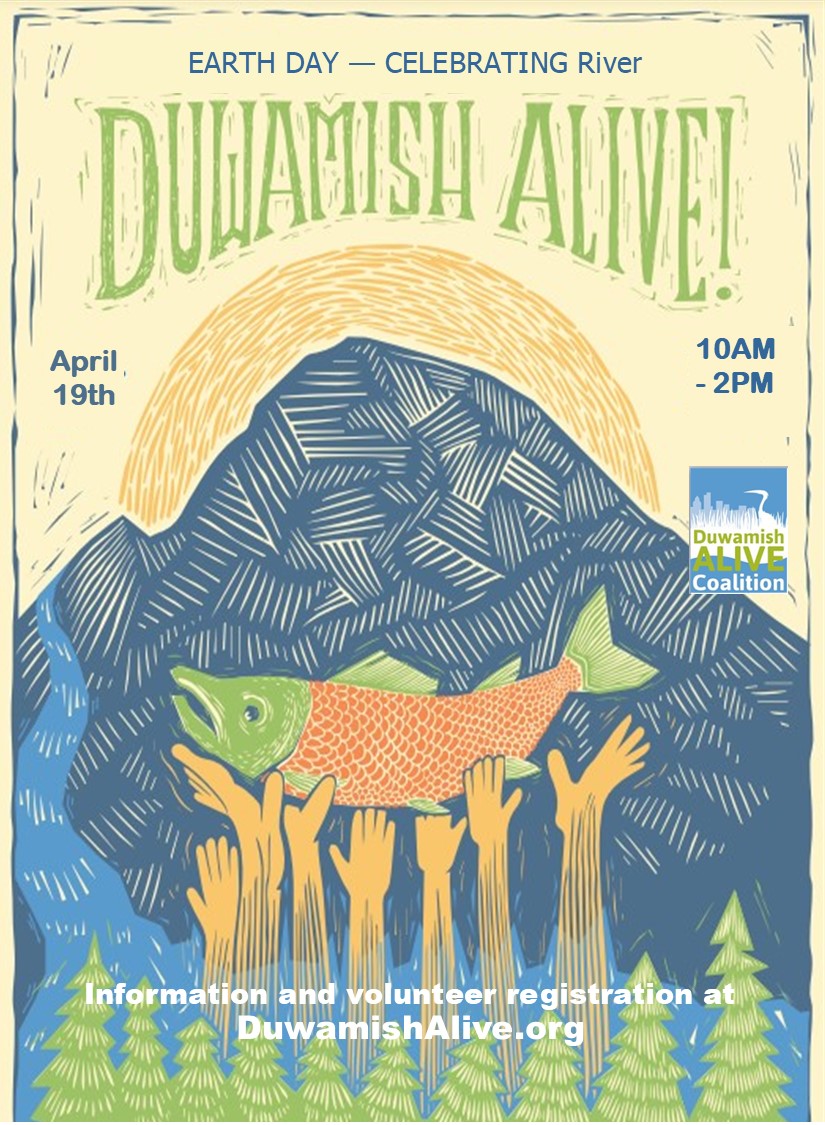
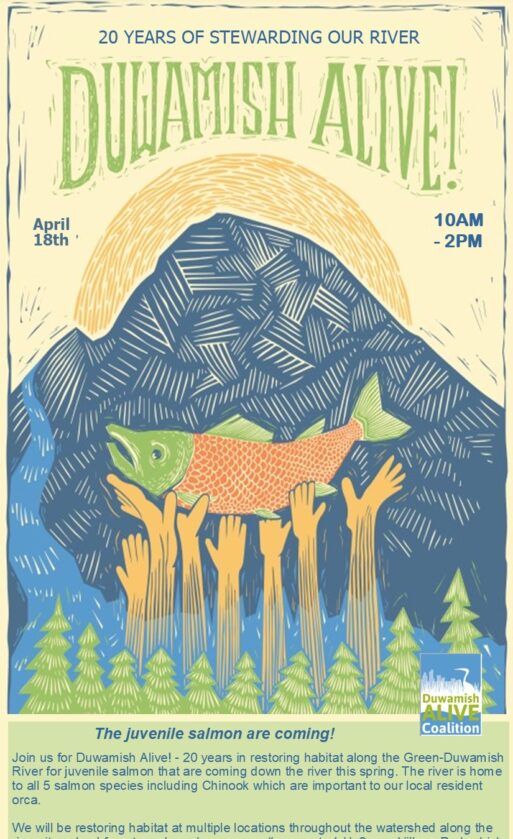
 Two weeks from tomorrow, the multi-site volunteering event known as Duwamish Alive! offers hundreds of people the chance to give some TLC to Seattle’s only river and its watershed. Some volunteering opportunities are already linked from duwamishalive.org – and one event organizer, Anna from King County Parks, has already sent us this invitation to share with you:
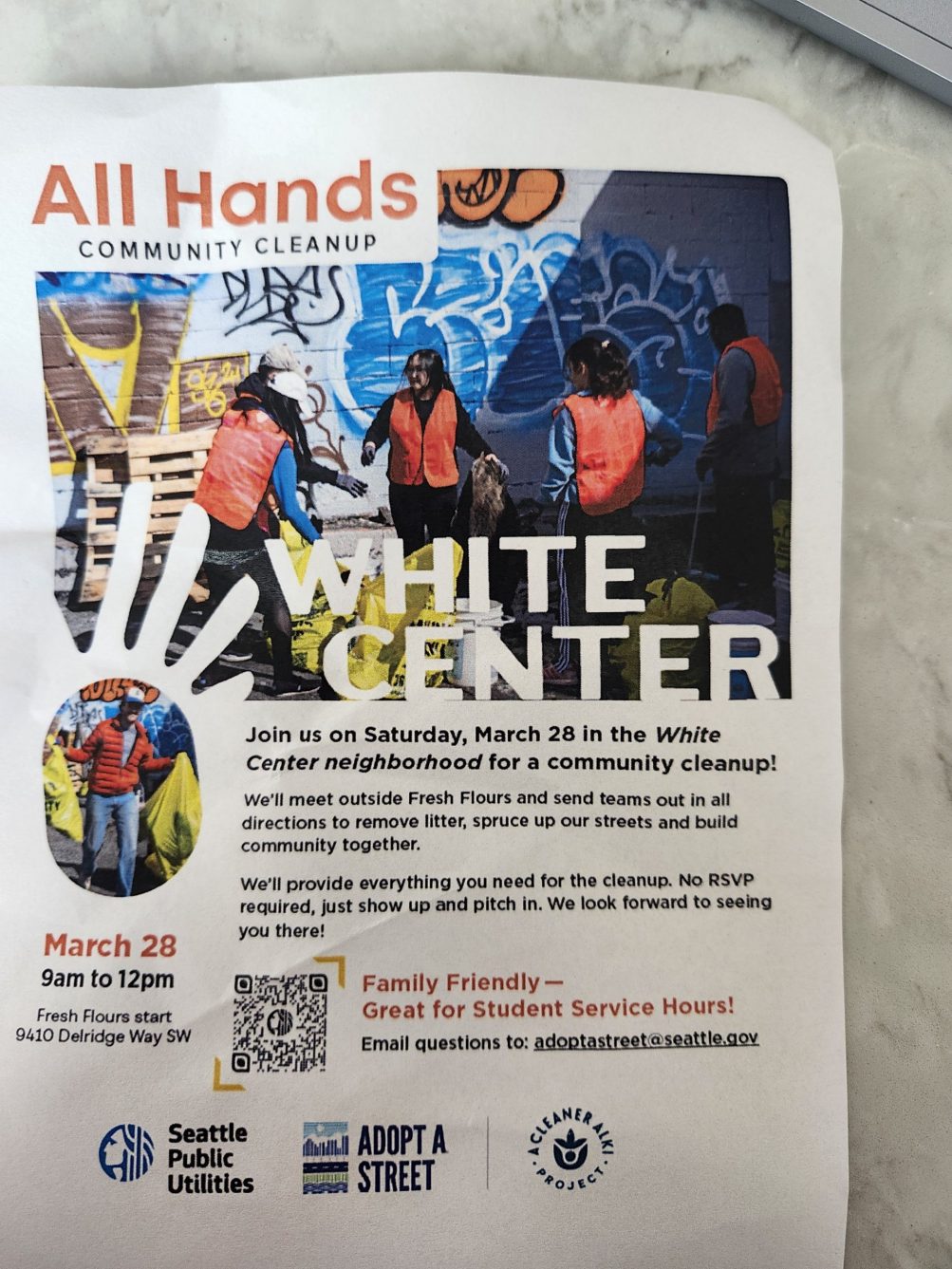
Duwamish Alive! at White Center Heights Park
Saturday, October 17th from 10 a.m. – 2 p.m.
Where: White Center Heights Park, 10208 7th Ave SW
Contact: parksvolunteer@kingcounty.gov
Registration requiredCome volunteer with King County Executive Girmay Zahilay at the King County Volunteer Program’s inaugural Regional Day of Service. On Saturday, October 17th, we’ll be bringing volunteers to Duwamish Alive! — a biannual event hosted by the Duwamish Alive Coalition for the last 20 years to improve the health of the Duwamish watershed
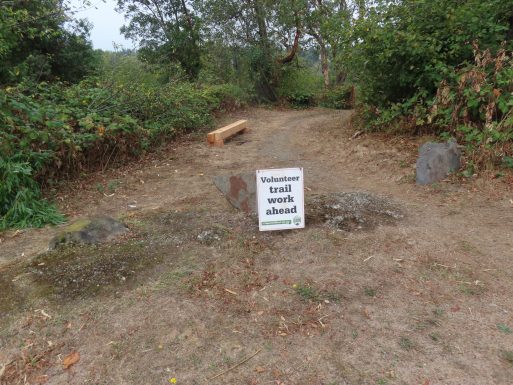
through collaborative stewardship and volunteering.The Executive and Duwamish Alive leadership will kick off the event at White Center Heights Park, hosted by King County Parks. Then he’ll be planting native trees, removing blackberry and ivy, and spreading mulch. Come volunteer alongside the Executive and learn more about how your work protects not only the Duwamish River ecosystem, but our
community at large.





 The
The 
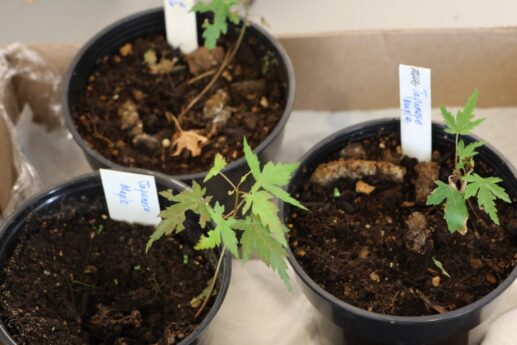
 It’s all coming together! Saturday, October 4th 10 am-1 pm at White Center Heights Park, the King County Volunteer program will be planting 80 conifer trees. These will be bigger trees than we usually plant at our volunteer events and the Parks Operations Staff from the Sunset District will be helping pre-dig holes. These larger trees were purchased through a Washington State Department of Ecology grant supported by funding from the Climate Commitment Act. This grant is focused on planting trees to reduce airport-related pollution impacts in south King County neighborhoods. Department of Ecology identified these communities as affected by fine particulates and generally worse air quality than most other parts of the state.