As reported here earlier this week, a man was found dead in the White Center Pond area back on Monday after firefighters answered a call nearby. Today’s King County Medical Examiner report identifies the person as 55-year-old Ghe Ma Gi Cham, but says his cause of death, and type of death (natural, homicide, suicide, accident) remain “pending.”
Pages
Archives
- October 2026
- September 2026
- August 2026
- July 2026
- June 2026
- May 2026
- April 2026
- March 2026
- February 2026
- January 2026
- December 2025
- November 2025
- October 2025
- September 2025
- August 2025
- July 2025
- June 2025
- May 2025
- April 2025
- March 2025
- February 2025
- January 2025
- December 2024
- November 2024
- October 2024
- September 2024
- August 2024
- July 2024
- June 2024
- May 2024
- April 2024
- March 2024
- February 2024
- January 2024
- December 2023
- November 2023
- October 2023
- September 2023
- August 2023
- July 2023
- June 2023
- May 2023
- April 2023
- March 2023
- February 2023
- January 2023
- December 2022
- November 2022
- October 2022
- September 2022
- August 2022
- July 2022
- June 2022
- May 2022
- April 2022
- March 2022
- February 2022
- January 2022
- December 2021
- November 2021
- October 2021
- September 2021
- August 2021
- July 2021
- June 2021
- May 2021
- April 2021
- March 2021
- February 2021
- January 2021
- December 2020
- November 2020
- October 2020
- September 2020
- August 2020
- July 2020
- June 2020
- May 2020
- April 2020
- March 2020
- February 2020
- January 2020
- December 2019
- November 2019
- October 2019
- September 2019
- August 2019
- July 2019
- June 2019
- May 2019
- April 2019
- March 2019
- February 2019
- January 2019
- December 2018
- November 2018
- October 2018
- September 2018
- August 2018
- July 2018
- June 2018
- May 2018
- April 2018
- March 2018
- February 2018
- January 2018
- December 2017
- November 2017
- October 2017
- September 2017
- August 2017
- July 2017
- June 2017
- May 2017
- April 2017
- March 2017
- February 2017
- January 2017
- December 2016
- November 2016
- October 2016
- September 2016
- August 2016
- July 2016
- June 2016
- May 2016
- April 2016
- March 2016
- February 2016
- January 2016
- December 2015
- November 2015
- October 2015
- September 2015
- August 2015
- July 2015
- June 2015
- May 2015
- April 2015
- March 2015
- February 2015
- January 2015
- December 2014
- November 2014
- October 2014
- September 2014
- August 2014
- July 2014
- June 2014
- May 2014
- April 2014
- March 2014
- February 2014
- January 2014
- December 2013
- November 2013
- October 2013
- September 2013
- August 2013
- July 2013
- June 2013
- May 2013
- April 2013
- March 2013
- February 2013
- January 2013
- December 2012
- November 2012
- October 2012
- September 2012
- August 2012
- July 2012
- June 2012
- May 2012
- April 2012
- March 2012
- February 2012
- January 2012
- December 2011
- November 2011
- October 2011
- September 2011
- August 2011
- July 2011
- June 2011
- May 2011
- April 2011
- March 2011
- February 2011
- January 2011
- December 2010
- November 2010
- October 2010
- September 2010
- August 2010
- July 2010
- June 2010
- May 2010
- April 2010
- March 2010
- February 2010
- January 2010
- December 2009
- November 2009
- October 2009
- September 2009
- August 2009
- July 2009
- June 2009
- May 2009
- April 2009
- March 2009
- February 2009
- January 2009
- December 2008
- November 2008
- October 2008
- September 2008
- August 2008
Categories
- Alaskan Way Viaduct (5)
- Annexation (209)
- Arts (214)
- Beverages (102)
- Boulevard Park (26)
- Burien (104)
- Businesses (302)
- cafe rozella (32)
- Churches (7)
- Community Harvest of Southwest Seattle (2)
- Coronavirus (58)
- Crime (515)
- Cultural Center (7)
- Development (48)
- DubSea Fish Sticks (5)
- Economy (23)
- Education (73)
- Election (150)
- Environment (104)
- Evergreen High School (36)
- Evergreen Pool (34)
- Families (13)
- Fire (90)
- Food (167)
- Full Tilt Ice Cream (50)
- Fun (267)
- Gardening (46)
- Government (19)
- Graffiti (9)
- Greenbridge (82)
- Halloween (6)
- Health (118)
- Helicopter (37)
- Hicks Lake (19)
- Highland Park (16)
- Highline Bears (5)
- Highline School District (104)
- history (20)
- Holidays (165)
- Holy Family (35)
- housing (29)
- How to Help (357)
- Jail Sites (4)
- Jobs (19)
- King County (353)
- King County Sheriff's Office (331)
- Lakewood Park (22)
- Letters to the Editor (4)
- Libraries (78)
- Lost and Found (3)
- Medical marijuana (4)
- Metro (61)
- Miscellaneous (10)
- Music (77)
- Myers Way (38)
- Neighborhood House (2)
- Neighborhoods (42)
- New Start High School (4)
- new traditions (1)
- North Highline Fire District (57)
- North Highline UAC (379)
- Not White Center but we're mentioning it anyway (6)
- Obituaries (10)
- Online (42)
- Parks (95)
- People (92)
- Pets (72)
- Politics (168)
- Pride (1)
- Puget Sound Park (8)
- Real estate (6)
- Religion (3)
- Restaurants (131)
- Safety (159)
- Schools (173)
- Seattle City Light (12)
- Seattle Public Schools (6)
- Seattle Times (1)
- Shorewood (31)
- Snow (26)
- South Park (55)
- southgate (42)
- Southwest Seattle Historical Society (1)
- Sports (108)
- Steve Cox Memorial Park (88)
- Sustainability (18)
- swine flu (2)
- Technology (9)
- Technology Access Foundation (6)
- Top Hat (37)
- Traffic (83)
- Transportation (149)
- Utilities (77)
- Video (49)
- Volunteering (33)
- Weather (171)
- West Seattle (59)
- WestSide Baby (45)
- Westwood Village (6)
- White Center (149)
- White Center 5K (5)
- White Center Chamber of Commerce (38)
- White Center Community Development Association (116)
- white center community safety coalition (53)
- White Center Eagles (31)
- White Center Early Learning Initiative (4)
- White Center Food Bank (145)
- White Center for the Arts (21)
- White Center Jubilee Days (85)
- White Center Kiwanis Club (19)
- White Center Library (64)
- White Center news (4,533)
- White Center obituaries (4)
- White Center Pride (7)
- White Center Swap Meet (4)
- Wildlife (10)
- Yard sales (2)
Partner Site
Meta
Pages
Archives
- October 2026
- September 2026
- August 2026
- July 2026
- June 2026
- May 2026
- April 2026
- March 2026
- February 2026
- January 2026
- December 2025
- November 2025
- October 2025
- September 2025
- August 2025
- July 2025
- June 2025
- May 2025
- April 2025
- March 2025
- February 2025
- January 2025
- December 2024
- November 2024
- October 2024
- September 2024
- August 2024
- July 2024
- June 2024
- May 2024
- April 2024
- March 2024
- February 2024
- January 2024
- December 2023
- November 2023
- October 2023
- September 2023
- August 2023
- July 2023
- June 2023
- May 2023
- April 2023
- March 2023
- February 2023
- January 2023
- December 2022
- November 2022
- October 2022
- September 2022
- August 2022
- July 2022
- June 2022
- May 2022
- April 2022
- March 2022
- February 2022
- January 2022
- December 2021
- November 2021
- October 2021
- September 2021
- August 2021
- July 2021
- June 2021
- May 2021
- April 2021
- March 2021
- February 2021
- January 2021
- December 2020
- November 2020
- October 2020
- September 2020
- August 2020
- July 2020
- June 2020
- May 2020
- April 2020
- March 2020
- February 2020
- January 2020
- December 2019
- November 2019
- October 2019
- September 2019
- August 2019
- July 2019
- June 2019
- May 2019
- April 2019
- March 2019
- February 2019
- January 2019
- December 2018
- November 2018
- October 2018
- September 2018
- August 2018
- July 2018
- June 2018
- May 2018
- April 2018
- March 2018
- February 2018
- January 2018
- December 2017
- November 2017
- October 2017
- September 2017
- August 2017
- July 2017
- June 2017
- May 2017
- April 2017
- March 2017
- February 2017
- January 2017
- December 2016
- November 2016
- October 2016
- September 2016
- August 2016
- July 2016
- June 2016
- May 2016
- April 2016
- March 2016
- February 2016
- January 2016
- December 2015
- November 2015
- October 2015
- September 2015
- August 2015
- July 2015
- June 2015
- May 2015
- April 2015
- March 2015
- February 2015
- January 2015
- December 2014
- November 2014
- October 2014
- September 2014
- August 2014
- July 2014
- June 2014
- May 2014
- April 2014
- March 2014
- February 2014
- January 2014
- December 2013
- November 2013
- October 2013
- September 2013
- August 2013
- July 2013
- June 2013
- May 2013
- April 2013
- March 2013
- February 2013
- January 2013
- December 2012
- November 2012
- October 2012
- September 2012
- August 2012
- July 2012
- June 2012
- May 2012
- April 2012
- March 2012
- February 2012
- January 2012
- December 2011
- November 2011
- October 2011
- September 2011
- August 2011
- July 2011
- June 2011
- May 2011
- April 2011
- March 2011
- February 2011
- January 2011
- December 2010
- November 2010
- October 2010
- September 2010
- August 2010
- July 2010
- June 2010
- May 2010
- April 2010
- March 2010
- February 2010
- January 2010
- December 2009
- November 2009
- October 2009
- September 2009
- August 2009
- July 2009
- June 2009
- May 2009
- April 2009
- March 2009
- February 2009
- January 2009
- December 2008
- November 2008
- October 2008
- September 2008
- August 2008
Categories
- Alaskan Way Viaduct (5)
- Annexation (209)
- Arts (214)
- Beverages (102)
- Boulevard Park (26)
- Burien (104)
- Businesses (302)
- cafe rozella (32)
- Churches (7)
- Community Harvest of Southwest Seattle (2)
- Coronavirus (58)
- Crime (515)
- Cultural Center (7)
- Development (48)
- DubSea Fish Sticks (5)
- Economy (23)
- Education (73)
- Election (150)
- Environment (104)
- Evergreen High School (36)
- Evergreen Pool (34)
- Families (13)
- Fire (90)
- Food (167)
- Full Tilt Ice Cream (50)
- Fun (267)
- Gardening (46)
- Government (19)
- Graffiti (9)
- Greenbridge (82)
- Halloween (6)
- Health (118)
- Helicopter (37)
- Hicks Lake (19)
- Highland Park (16)
- Highline Bears (5)
- Highline School District (104)
- history (20)
- Holidays (165)
- Holy Family (35)
- housing (29)
- How to Help (357)
- Jail Sites (4)
- Jobs (19)
- King County (353)
- King County Sheriff's Office (331)
- Lakewood Park (22)
- Letters to the Editor (4)
- Libraries (78)
- Lost and Found (3)
- Medical marijuana (4)
- Metro (61)
- Miscellaneous (10)
- Music (77)
- Myers Way (38)
- Neighborhood House (2)
- Neighborhoods (42)
- New Start High School (4)
- new traditions (1)
- North Highline Fire District (57)
- North Highline UAC (379)
- Not White Center but we're mentioning it anyway (6)
- Obituaries (10)
- Online (42)
- Parks (95)
- People (92)
- Pets (72)
- Politics (168)
- Pride (1)
- Puget Sound Park (8)
- Real estate (6)
- Religion (3)
- Restaurants (131)
- Safety (159)
- Schools (173)
- Seattle City Light (12)
- Seattle Public Schools (6)
- Seattle Times (1)
- Shorewood (31)
- Snow (26)
- South Park (55)
- southgate (42)
- Southwest Seattle Historical Society (1)
- Sports (108)
- Steve Cox Memorial Park (88)
- Sustainability (18)
- swine flu (2)
- Technology (9)
- Technology Access Foundation (6)
- Top Hat (37)
- Traffic (83)
- Transportation (149)
- Utilities (77)
- Video (49)
- Volunteering (33)
- Weather (171)
- West Seattle (59)
- WestSide Baby (45)
- Westwood Village (6)
- White Center (149)
- White Center 5K (5)
- White Center Chamber of Commerce (38)
- White Center Community Development Association (116)
- white center community safety coalition (53)
- White Center Eagles (31)
- White Center Early Learning Initiative (4)
- White Center Food Bank (145)
- White Center for the Arts (21)
- White Center Jubilee Days (85)
- White Center Kiwanis Club (19)
- White Center Library (64)
- White Center news (4,533)
- White Center obituaries (4)
- White Center Pride (7)
- White Center Swap Meet (4)
- Wildlife (10)
- Yard sales (2)
Partner Site
Meta
FOLLOWUP: Person found dead in White Center Pond area identified
October 23rd, 2026 at 3:49 pm Posted in King County Sheriff's Office, White Center news | No Comments »
Got five minutes? Answer this survey about Seola Pond
October 22nd, 2026 at 9:57 pm Posted in Environment, White Center news | No Comments »
 (2021 WSB photo, volunteer restoration work at Seola Pond)
Seola Pond is a bit of wetland/greenspace area on the northern edge of unincorporated North Highline, and the county is asking for five minutes of your time to offer opinions about making it more accessible:
King County Parks has been working with landowners and agency partners in (Arbor) Heights/North Highline area to explore opportunities to improve access to the natural area surrounding Seola Pond. We are currently collecting public feedback with a survey and thought it might be of interest … The survey is open through October 30th, and we wanted to make sure we’re reaching as many neighbors and visitors as possible before it closes!
The survey is available in six languages; click the “survey” tab on that page.
Death investigation at White Center Pond Natural Area
October 20th, 2026 at 11:45 pm Posted in King County Sheriff's Office, White Center news | No Comments »
The King County Medical Examiner’s Office has not yet released the cause of death of the person found dead Monday at White Center Pond Natural Area. Firefighters found the body after extinguishing a fire at what appeared to be an encampment. King County Sheriff’s Office deputies and detectives launched a Major Crimes Unit death investigation. If you have any tips, the case # is C26029452.
King County Councilmember worries that potential new Seattle rules will lead to more RV parking on White Center streets
October 20th, 2026 at 11:26 am Posted in King County, White Center news | No Comments »
From King County Councilmember Reagan Dunn:
On the day the Seattle City Council is scheduled to vote on sweeping new restrictions on recreational vehicle parking, King County Council Vice Chair Reagan Dunn is introducing separate, regional legislation to address hazardous, long-term vehicle parking on roads and public rights-of-way in unincorporated King County.
The proposal responds to Seattle legislation scheduled for a vote on Tuesday that would limit most motor homes and travel trailers without special permits to two hours of street parking and prohibit overnight parking on city streets. Seattle’s proposal also includes new services and a permitting program for people experiencing homelessness who live in vehicles.
Dunn says Seattle’s proposed restrictions raise concerns that people living in RVs could relocate outside city limits, potentially into rural communities where access to shelter, outreach, public transportation, and other homelessness services is more limited. This was the case with the notorious Green River Encampment that plagued a small, unincorporated area between Auburn and Kent and prompted years of public safety concerns and extensive cleanup efforts.
“Seattle’s own decisions and policy failures have created the homelessness and public safety crisis it now faces,” Dunn said. “But families in unincorporated King County should not be forced to shoulder the consequences of Seattle’s failed policies.”
Dunn’s legislation would direct the King County Executive to identify roads where recurring vehicle parking creates public safety hazards or nuisances, install appropriate parking restrictions, and propose enforceable regulations and penalties. It also requests a proposed ordinance establishing a process for booting vehicles with unpaid parking citations and potentially impounding them if their owners fail to pay or establish a payment plan.
Dunn said the County must be prepared to protect the safety and accessibility of its roads while recognizing that homelessness requires coordinated regional solutions.
“We must ensure that one jurisdiction’s enforcement strategy does not become another community’s problem,” Dunn said. “Unincorporated King County residents deserve safe roads, and people struggling deserve real solutions — not simply endless rounds of displacement.”
Seattle’s proposed parking restrictions are scheduled to take effect in 2027 if approved. The legislation advanced out of the Seattle City Council’s Public Safety Committee on September 22.
DUWAMISH ALIVE! Volunteer October 17 at White Center Heights Park
October 2nd, 2026 at 6:45 pm Posted in Environment, How to Help, White Center news | 1 Comment »
(Also published on partner site West Seattle Blog)
 Two weeks from tomorrow, the multi-site volunteering event known as Duwamish Alive! offers hundreds of people the chance to give some TLC to Seattle’s only river and its watershed. Some volunteering opportunities are already linked from duwamishalive.org – and one event organizer, Anna from King County Parks, has already sent us this invitation to share with you:
Duwamish Alive! at White Center Heights Park
Saturday, October 17th from 10 a.m. – 2 p.m.
Where: White Center Heights Park, 10208 7th Ave SW
Contact: parksvolunteer@kingcounty.gov
Registration requiredCome volunteer with King County Executive Girmay Zahilay at the King County Volunteer Program’s inaugural Regional Day of Service. On Saturday, October 17th, we’ll be bringing volunteers to Duwamish Alive! — a biannual event hosted by the Duwamish Alive Coalition for the last 20 years to improve the health of the Duwamish watershed
through collaborative stewardship and volunteering.The Executive and Duwamish Alive leadership will kick off the event at White Center Heights Park, hosted by King County Parks. Then he’ll be planting native trees, removing blackberry and ivy, and spreading mulch. Come volunteer alongside the Executive and learn more about how your work protects not only the Duwamish River ecosystem, but our
community at large.
No North Highline Unincorporated Area Council meeting tonight – set your calendar for November
October 1st, 2026 at 12:30 pm Posted in North Highline UAC, White Center news | 1 Comment »
From the North Highline Unincorporated Area Council:
North Highline Unincorporated Area Council will not be holding a Thursday, Oct 1st meeting.
Please plan on joining us for our next scheduled meeting on Thursday, Nov 5th.
In the meantime, Election Day is Tuesday, Nov 3rd. The ballot drop box is now located in front of the Log Cabin at Steve Cox Memorial Park.
King County Sheriff’s Office hosting gun-buyback event in Burien next month
September 25th, 2026 at 9:01 pm Posted in Burien, King County Sheriff's Office, Safety, White Center news | Comments Off on King County Sheriff’s Office hosting gun-buyback event in Burien next month
Thanks to Barbara Dobkin from the North Highline Unincorporated Area Council for forwarding this announcement from the King County Sheriff’s Office, which plans a drive-through gun-buyback event in Burien next month:

WHITE CENTER CRIME WATCH: Street robbery
September 24th, 2026 at 2:56 pm Posted in Crime, King County Sheriff's Office, White Center news | Comments Off on WHITE CENTER CRIME WATCH: Street robbery
We heard a bit on law-enforcement radio overnight about deputies searching for a suspect after a street robbery in White Center. We asked KCSO for more information today; here’s their response:
Just after midnight, one of our SW deputies was dispatched to a call for a robbery at gunpoint on SW Roxbury St. at 15th Avenue SW.
The reporting person said someone demanded her backpack that contained money
No arrests and no suspect information at this time-and this case remains an open and active investigation.
If you have any information for KCSO, refer to case # C26026950.
WHITE CENTER RESTAURANTS: Búho is closing, but a successor already awaits
September 11th, 2026 at 7:46 pm Posted in Restaurants, White Center news | 1 Comment »
Restaurant/bar Búho (9640 16th SW) announced today that it’s closing. Búho’s announcement says its last day will be September 23. But the space won’t be vacant for long – West Seattle restaurant Mashiko announced last month that it was moving to an undisclosed White Center location, and after Búho’s announcement today, revealed that’s where it’s going. No date yet; Mashiko says it’ll announce its last West Seattle day – after 32 years – next week. Buho opened in 2020; years earlier, the building was home to another restaurant, Uncle Mike’s BBQ.
King County Local Services announces new permitting director
September 10th, 2026 at 10:33 am Posted in King County, White Center news | Comments Off on King County Local Services announces new permitting director
Just in from King County Local Services:
Liz Stead will join King County Department of Local Services as its new Permitting Division Director.
Department of Local Services Director Leon Richardson made the announcement today after an extensive search for the person who will help guide permitting activity for approximately 250,000 residents and businesses in the unincorporated areas.
“We are excited that Liz will be a member of our team,” Richardson said. “She brings a wealth of experience in both local government and the private sector that will directly benefit the Permitting Division. She has an extensive background in permitting, code enforcement, long-range planning, SEPA compliance, land use, leadership, and a myriad of other areas directly related to DLS’ work.”
“I’m looking forward to working with the DLS Permitting Division team to continue the good work that has been its hallmark,” said Stead, who starts her job later this month. “There is an opportunity to build upon the groundwork that already exists while looking for improvements for our customers. Being invited to be a part of the King County organization is an honor, and I look forward to serving in this capacity.”
Stead comes from the City of Burien, where for the last two years she served as Community Development Director. She oversaw current and long-range planning and building permitting, SEPA administration, code enforcement, budget development, and process improvement.
Before that, Stead spent 16 years with the City of Bellevue, first as the Urban Design Planning Manager, then as Land Use Director.
Stead holds master’s degrees in architecture and public administration.
Richardson also extended his sincere appreciation to Mark Rowe, who has served as Interim Permitting Director since the beginning of this year. He will transition back to his role as Permitting Deputy Director.
“Mark’s leadership, dedication, and unwavering support of the Permitting team and Department of Local Services overall has been invaluable,” Richardson said. “Mark stepped into this critical leadership position at an important time for the division, providing stability, thoughtful leadership, and a continued focus on supporting our employees and the communities we serve. I am incredibly grateful for his willingness to take on this responsibility and for the commitment he has demonstrated throughout his time in the role.”
Planning for the future, dealing with the present @ North Highline Unincorporated Area Council’s September 2026 meeting
September 3rd, 2026 at 8:49 pm Posted in King County, North Highline UAC, White Center news | 3 Comments »
By Tracy Record
White Center Now editor
Future changes and improvements from King County was the overarching theme of tonight’s North Highline Unincorporated Area Council meeting, facilitated by NHUAC’s Barbara Dobkin. at the NH Fire Station.
IN MEMORY: Scott Davis, longtime attendee and White Center Kiwanis member, died last Saturday, Dobkin announced. “It’s a big loss for the community.” He had been fighting cancer.
COMPREHENSIVE PLAN: The 2029 “midpoint update” process has begun, said King County’s Erin Auzins. “This is the first of many opportunities in the next two years to share feedback with the county.” The “scope of work” will be recommended to the King County Council in November and the county will finalize it in February.
The comp plan is a state requirement, under the Growth Management Act. This is an “Urban Unincorporated Area.” The plan is supposed to “set policies for growth for the next 20 years.” But “the legacy of annexation hasdisconnected” neighborhoods like this.
Once there’s a plan, it’s implemented by adopting development reulations, and via budgeting.
This is the second “midpoint update,” meant to “address time-sensitive issues that can’t wait until the next 10-year update.”
The scope’s three main areas of focus are Climate Change & Resiliency, including tree canopy, which dovetails with the county’s new Urban Forestry work; Shorelines, which includes streamlining habitat-restoration permitting and review, plus sea-level rise; Housing, including compliance with state-required aspects such as permanent supportive housing, transitional housing, indooremergency housing, and indoor emergency shelters.
Other updates include updating policies regarding surface-water management, open space, road safety, and more, plus work plans dating back to 2024, such as coastal hazards, wildfire risk, communications facilities, and possible map amendments (none in NH, she said).
In Q&A, Dobkin mentioned previous upzones but the lack of some urban features such as good roads, streetlights, etc. “We’re living with rural type standards in an urban area,” including a lack of mandatory trash pickup. An attendee talked about the difficulty of getting from point A to point B.
Another question: Where’s the money for any and all of these changes coming from? The county budget, she said.
Next: The Port continues flying like nothing has changed. But it’s part of the county, right? Yes, she said, but ot mostly does its own thing.
What about housing in cities? Yes,the county and its cities are working together. What about trees – “we can’t just have them in parks?” She replied that the state keeps handing down mandates “and we don’t get to do what we want.”
Another attendee brought up parking shortages. And Dobkin mentioned a need for traffic calming.
Somebody else asked about specific development plans, such as data centers. She said she wasn’t sure about specifics but she hasn’t heard much about interest in those.
Then there was yet another comment about the lack of traffic calming, especially just west of 16th. There was some comparison of notes about neighborhoods, 18th vs. 21st, for example. Daylighting intersections would be helpful too.
Speeding on 26th to get away from newly calmed 16th seems to be common. Lots of complaints about various streets ensued; Dobkin says she’s seen development that doesn’t seem well-planned.
Then there was a question about the next round of “participatory budgeting” (more on that shortly) – the explanation was that the county learned in the previous round that some proposals didn’t work out for a variety of reasons such as the grant-recipient organizations had some changes.
Is the funding from cannabis taxing? Not entirely – it’s from the county’s general fund, and that money is one source for the general fund.
Airport noise came up, and the county rep mentioned that the Port of Seattle is in its own planning-feedback process.
Questions about the comp plan. eauzins@kingcounty.gov or CompPlan@kingcounty.gov
DEPARTMENT OF LOCAL SERVICES: Director Leon Richardson was the other major guest. Road Services is part of his portfolio, and he reiterated its funding challenges, limiting them to only “the most critical things.” He’s hopeful that the new source of funding – $100 million to be raised by a sales-tax increase -will lead to some paving, sidewalks, streetlights in unincorporated areas like this one. “We haven’t been ignoring it; we’ve been limited in our resources.”
Another topic, brought up by an attendee – dealing with dumping. Richardson said they’ve been analyzing the problem to be sure that conditions leading to it can be reduced.
Bong Santo Domingo, who also was there, is Local Services’ rep to this community – you can find him at White Center Library 2-5 pm Thursdays. “I deal with issues, community issues.”
Got a road/sidewalk problem that needs urgent attention? Call Road Services’ 24/7 hotline: 206-377-8100.
Got an issue for sheriff’s deputies – tougher to address now that White Center no longer has a storefront deputy? You might find one at the Log Cabin at Steve Cox Memorial Park.
Dobkin mentioned trying to getsomeone to address an urgent problem in a park and having trouble getting past a voicemail tree; that’s where Local Services might be able to cut through the bureaucracy, Richardson said.
No update on getting WC a dedicated deputy again, though.
An attendee said it’s hard to get onto 16th SW since the recent channelization changes. Richardson said they could have an engineer come out and check the timing among other concerns. 16th at 100th and 102nd are among the spots that need a look.
Phillip from Local Services’ economic development team then ran through some upcoming events, including the White Center Food Bank‘s October 9th event. He also said North Shorewood is organizing a community group.
LIQUOR AND CANNABIS BOARD: The local officer, Erick Thomas, had a few updates (while mentioning his coverage area has expanded further): There’s a new application for a new restaurant/bar on 15th. Quiet summer for complaints until a few weeks ago when four emerged – there’s allege “substitution,” which he explained involving refilling smaller bottles from a large one, which is not allowed; also unlicensed places selling alcohol, and a complaint that an employee was ingesting on the job. He was asked about Whateke, and said they’re changing their business plan to be more family-friendly, which might mean some interior changes. Another establishment – too soon to name, he said – is considering something similar.
NEXT MEETING: First Thursday in November (which will be the 5th).
THURSDAY: Checking in with the Comprehensive Plan, plus Director of Local Services, @ North Highline Unincorporated Area Council
August 30th, 2026 at 12:53 pm Posted in North Highline UAC, White Center news | Comments Off on THURSDAY: Checking in with the Comprehensive Plan, plus Director of Local Services, @ North Highline Unincorporated Area Council
Lots of community information – and opportunities for questions – coming up Thursday when the North Highline Unincorporated Area Council reconvenes for fall. Here’s the announcement:
The Opportunity to Be Informed, Be Involved, and Be Heard
At the North Highline Unincorporated Area Council (NHUAC) Meeting!When: Thursday, Sept 3rd @ 7pm
Where: North Highline Fire Station in White Center
1243 SW 112th Street (Parking and Entrance are in the Back of the Station).Hope everyone is well and enjoying these wonderful late summer days. We are happy to be back and look forward to seeing you on Thursday, Sept 3rd. when we will be hosting Regional Planning Manager Erin Auzins. Erin will provide information and updates on the scope of work for the 2029 Midpoint Update to the Comprehensive Plan.
“The King County Comprehensive Plan is the main policy document that guides land use, growth, and regional services in unincorporated King County. It acts as a long-term roadmap to comply with the Washington State Growth Management act.”
What the Plan Covers
Land Use: Decides where homes, offices, and stores can be built, and sets boundaries for rural and urban growth.
Regional Services: Guides county investments in transit, sewers, parks, trails, roads, and solid waste.
Environment & Resources: Protects working farms, forests, clean air, and clean water
We are also pleased to host the Director of Local Services (DLS), Leon Richardson. In way of history, in 2019 DLS began with the goal of developing “new and better ways to serve” unincorporated King County. DLS is responsible for providing essential services such as permitting, zoning, road services and code enforcement, all important issues for our community.
Thanks to everyone for showing up and supporting your community.
See you Thursday, Sept 3rd at 7 pm.
ALSO FRIDAY: ‘Coffee with a Cop’ in White Center
August 27th, 2026 at 2:14 pm Posted in King County Sheriff's Office, White Center news | Comments Off on ALSO FRIDAY: ‘Coffee with a Cop’ in White Center
Well, probably more than one “cop” – aka deputy – will be on hand for this:

If you have something to tell/ask your local law-enforcement officers, this is the event for you! 11 am-1 pm Friday (August 28).
Mural celebration Friday at TAF
August 24th, 2026 at 10:24 pm Posted in Arts, Technology Access Foundation, White Center news | Comments Off on Mural celebration Friday at TAF
You’re invited!
Youth Artists to Unveil New Mural at Free White Center Summer Showcase
Community members are invited to celebrate the end of summer with Urban ArtWorks and Technology Access Foundation (TAF) at a free showcase as they unveil a new mural created by local youth artists.
The mural is being created by young artists participating in Urban ArtWorks’ Mural Apprentice Program (MAP). Guests at the event will also have the opportunity to explore additional featured artwork from youth participating in Urban ArtWorks’ summer programs.
The celebration is an opportunity for neighbors, families and community members to see the young artists’ work, celebrate their creativity and experience a new piece of public art in White Center.
Light refreshments will be served, and the event is free and open to the public. RSVPs are encouraged to help organizers plan for attendance.
What: MAP Summer Showcase and Youth Mural Unveiling
When: Friday, August 28, 5 PM – 7 PM
Where : TAF Bethaday Community Learning Space, 605 SW 108th
Cost: Free
Who: ALL (open to Public)
RSVP: bit.ly/MAPShow

HAPPENING NOW: White Center Summer Block Party
August 22nd, 2026 at 6:10 pm Posted in Fun | Comments Off on HAPPENING NOW: White Center Summer Block Party
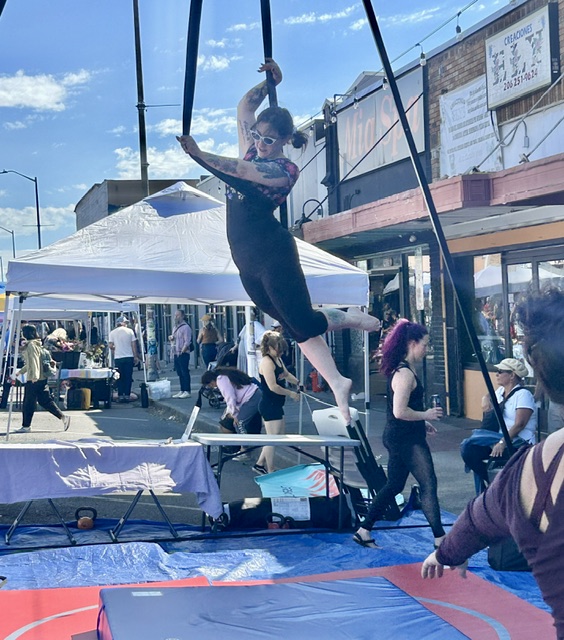
All sorts of wild fun in the street in downtown White Center all afternoon and into the evening – here’s some of what we saw during a brief stop at the Summer Block Party!
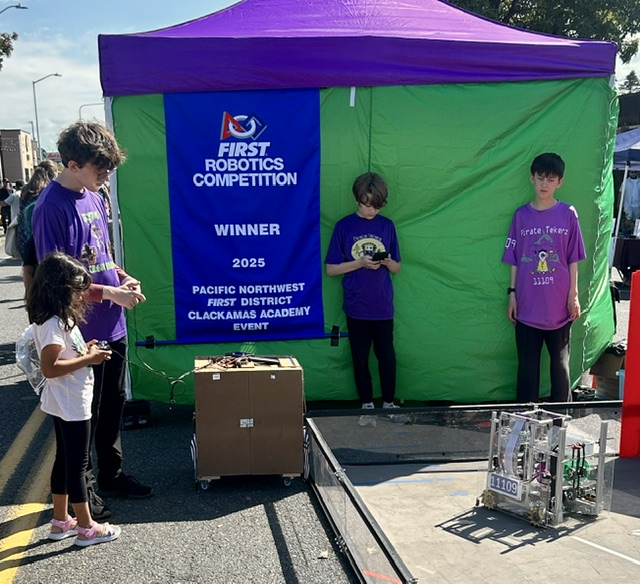

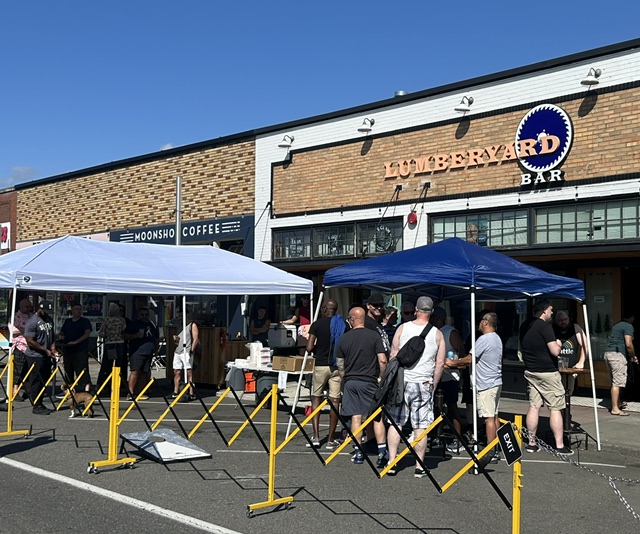
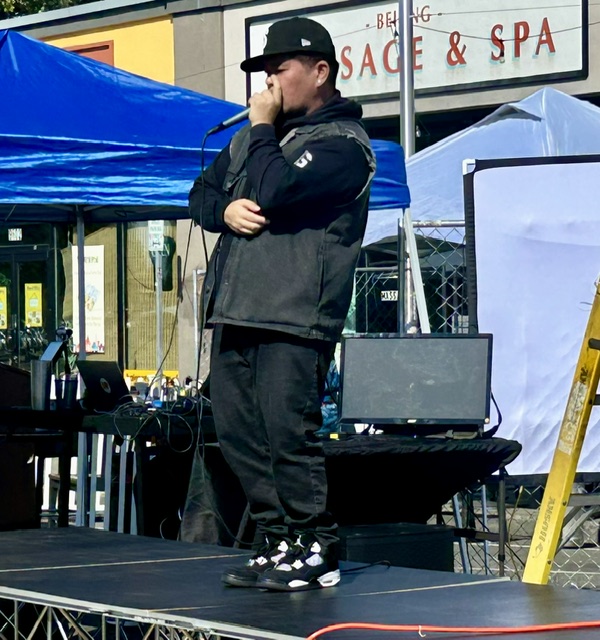
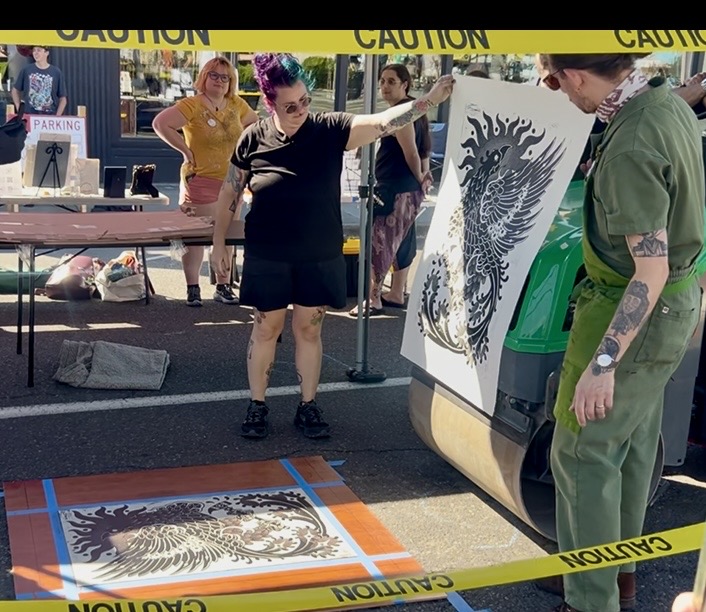
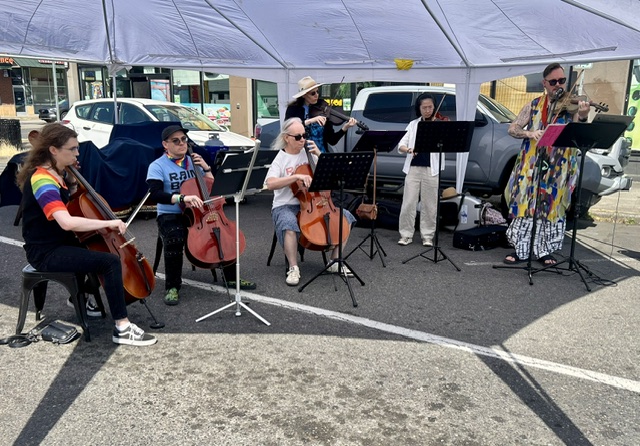
The party goes until 9 pm, so you still have time to get there!
BACK TO SCHOOL: WCCDA’s backpack giveaway today
August 21st, 2026 at 11:49 am Posted in Greenbridge, White Center Community Development Association, White Center news | Comments Off on BACK TO SCHOOL: WCCDA’s backpack giveaway today
Students who need school supplies have a chance to get them at today’s White Center Community Development Association event – 4 to 6:30 pm at Greenbridge Plaza. Music and food too! Details here.
WHITE CENTER CRIME WATCH: Helicopter search after robbery, assault (updated Wednesday)
August 18th, 2026 at 10:28 pm Posted in Crime, White Center news | Comments Off on WHITE CENTER CRIME WATCH: Helicopter search after robbery, assault (updated Wednesday)
10:28 PM TUESDAY: Thanks for the tip about Guardian One over White Center. We had just heard an FYI broadcast on Seattle Police radio about a White Center robbery a short time ago, at 10261 16th SW (which cross-references to a smoke shop and salon). The robbers are reported to have pistol-whipped someone. No description available so far other than “two men.”
11:06 AM WEDNESDAY: We followed up with the King County Sheriff’s Office this morning, and here’s the summary they provided:
On Tuesday, August 18th just after 10 pm, deputies responded to reports of a robbery in progress in the 10000 block of 16th Avenue SW at a Smoke and Vape shop
The reporting party said he two people had robbed him and assaulted him by hitting him on the head with a gun; he was eventually taken to the hospital to have his injuries treated
He said the suspects stole cash and some merchandise
Deputies, including a K9, searched the area but did not find the suspects or make any arrests and this case remains under investigation.
If you have any information, contact KCSO and refer to case C26023216.
White Center Block Party 2026 this Saturday!
August 18th, 2026 at 4:10 pm Posted in Fun, White Center news | Comments Off on White Center Block Party 2026 this Saturday!
It’s been a summer full of street parties in White Center, and one more is coming up this Saturday:

See you there!
ROAD WORK: King County expanding White Center work zone next week
August 13th, 2026 at 7:54 pm Posted in Traffic, Transportation, White Center news | 1 Comment »
From King County Road Services:
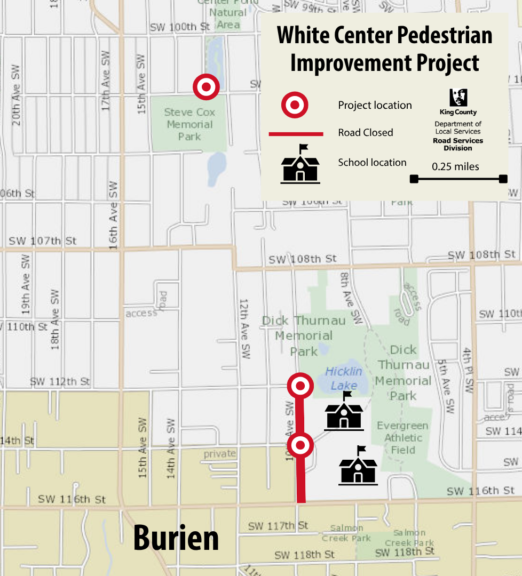
Upcoming Road Closure: 10th Avenue SW between SW 112th Street and SW 116th Street
Monday, August 17, to Wednesday, September 2, 2026, from 7 am to 3 pm
Starting Monday, August 17, 2026, crews working for King County will close 10th Ave SW between SW 112th Street and SW 116th Street each weekday from 7 am to 3 pm through September 2, 2026*, to complete pedestrian safety improvements. A signed detour will be in place. Local access will be maintained during the closure. The road will be open during non-construction hours. Some evening and weekend work may occur, if needed.
Improvements will include:
-Sidewalk curb extensions to reduce the crossing distance for pedestrians in the crosswalk
-Raised crosswalks to slow vehicles and increase pedestrian visibility
-Lane markings to help guide traffic and increase visibility
-Additional signage to remind drivers to be aware of the crosswalkThere will be one evening during construction when 10th Ave SW will close overnight near the project intersections. Local access will be maintained with detours in place. We will update MyCommute and project website when an exact date becomes available.
Following the closures, crews may need to complete additional work. A lane restriction will be in place with flaggers directing two-way traffic through a single open lane during construction hours. If this occurs, school buses will be allowed through the work zone. Construction for this portion of the work is expected to last through early September.
Additional work on SW 102nd Street at 13th Avenue SW will begin in early September and will primarily require work on the sidewalk and corner as crews install flashing lights and high-visibility signs.
Pedestrian-activated rapid flashing beacons and high-visibility signage were recently installed at 16th Avenue SW and SW 102nd Street in White Center. This project includes similar pedestrian safety improvements.
* Please note that crews are adjusting the construction schedule due to recent changes in the anticipated timeline and related impacts. To reduce effects on the upcoming school year, they are shifting work from a proposed lane restriction to a full closure. This change will allow crews to complete the work more quickly and shorten the overall duration of construction.
For the most up-to-date travel information for this project and others in unincorporated King County, visit MyCommute: KingCounty.Gov/MyCommute
This work may be rescheduled or delayed due to crew/equipment availability or weather. Learn more: https://KingCounty.Gov/White-Center-Pedestrian-Improvements
UPDATE: Power outage cuts electricity to 2,000+, including southeast White Center
August 7th, 2026 at 4:40 pm Posted in Utilities, White Center news | 1 Comment »
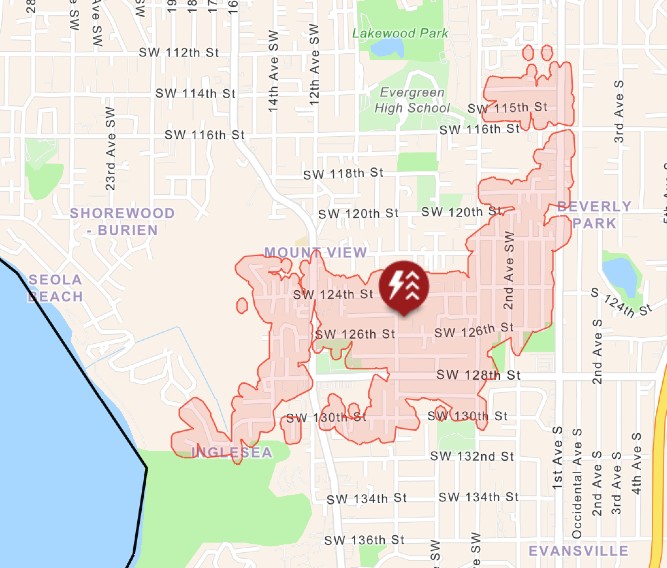
4:40 PM: Thanks to Gill for the tip about the big power outage that’s mostly affecting part of Burien but has also stretched into southeast White Center – the map above is our screenshot from the Seattle City Light outage map. SCL says the cause is “environmental,” so we’re hoping to get some elaboration on that.
6:27 PM: SCL’s Julie Moore tells us that the outage was caused by a pole fire.